

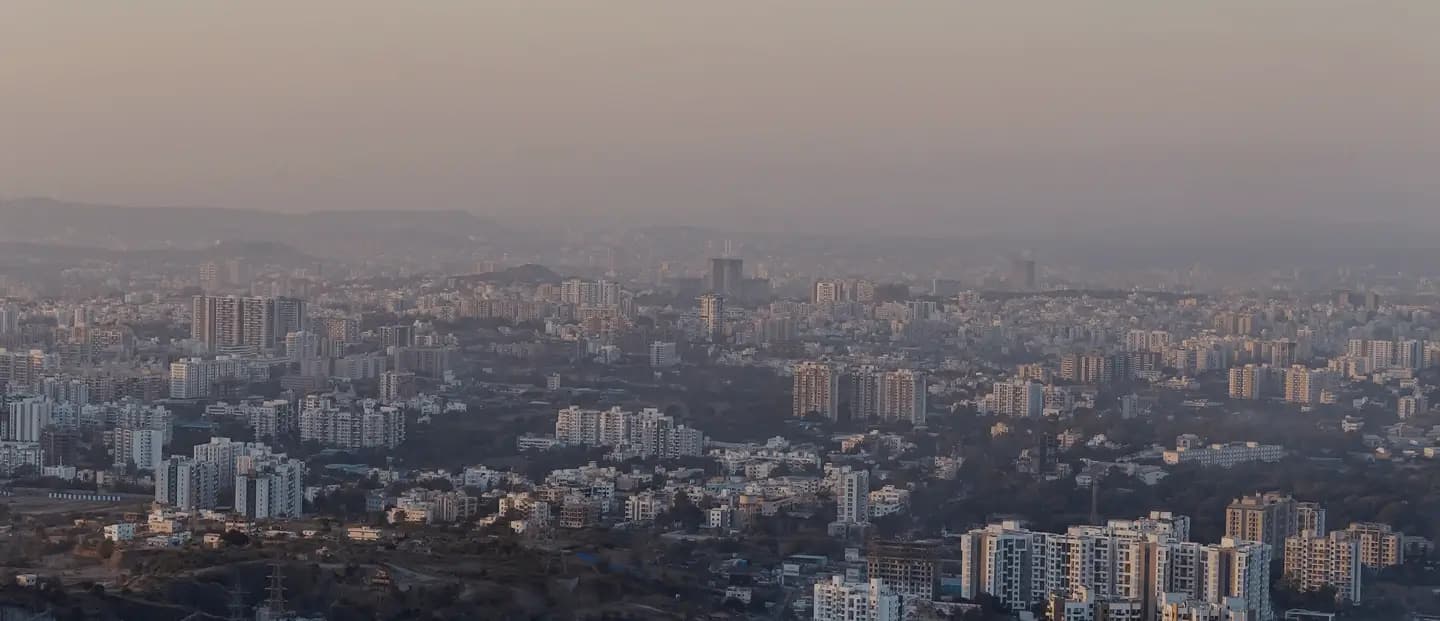
Property Rates and Price Trends in Pune (2026)
Property Rates and Price Trends in Pune (2026)
Pune has crossed a fresh milestone in 2025, with average home prices drifting around the ₹7,000 to ₹8,500 per sq ft band in many mid and prime pockets. Registrations sit at multi-year highs, even after a Ready Reckoner hike and costlier home loans, which says a lot about buyer depth in the city.



Malti Kulkarni
Malti Kulkarni is a content writer at RealEstate Talk with experience in creating SEO-optimised blogs, articles, and website content. She specialises in researching industry trends and transforming complex topics into clear, reader-friendly content. With a focus on real estate, SEO, and digital marketing, Malti helps deliver informative content that enhances brand visibility, engages audiences, and supports business growth through effective communication.
If you are tracking property rates in Pune for a 2026 purchase, you are juggling three moving parts at once: area-wise gaps, builder pricing for new launches, and fast infra upgrades around the metro and ring road. This piece keeps things simple, with clear bands on Pune property rate per square feet, rental yields, Government property rates in Pune, and the big Pune real estate market trends that will matter over the next one to three years.
Summary
Pune has shifted into a higher price band, but it still sits cheaper than Mumbai and slightly below Bengaluru on a per sq ft basis. The short version: property rates in Pune are still rising, inventory is tight, and infra growth keeps pushing buyers into newer belts. Citywide, property rates in Pune mostly sit between ₹5,000 and ₹13,000 per sq ft, depending on the locality and project, with luxury towers climbing beyond that band. Prime zones like Koregaon Park, Kalyani Nagar and parts of Baner often see Pune property rates per square feet anywhere from ₹16,000 to ₹22,000, and marquee towers can stretch even higher. Peripheral pockets such as Wagholi, Undri and Moshi still keep property rates in Pune closer to ₹5,000 to ₹7,000 per sq ft, which is where first-time buyers usually begin their search. Over the last five years, average selling prices in Pune have logged a compound growth of about 5 per cent a year, with some mature pockets trending near 25 to 30 per cent in that window. New-launch weighted averages for bigger, amenity-heavy projects are now above ₹11,000 per sq ft, which pulls the premium end of residential property rates in Pune steadily up. Rental yields near large IT hubs such as Hinjewadi, Baner and Kharadi usually fall in the 4 to 6 per cent band, which keeps investors engaged despite firm pricing. Most analysts still expect the property price trend in Pune to stay positive through 2026, with mid-single-digit growth citywide and faster moves wherever metro lines and the ring road come into play.
How is Pune’s real estate market positioned going into 2026?
Pune sits in the top bracket among Indian housing markets by sales volume, with strong end-user participation and a growing share of premium homes. The broader Pune real estate market trends show more money chasing better-quality projects, not just a rush to the cheapest ticket. Reports from ICRA and large developers show Pune’s average selling price moving from roughly ₹6,200 per sq ft to about ₹6,600 per sq ft in just one year, with further gains through 2025. Sales in 2024 stayed near the 90,000-unit mark even as new launches fell by more than 25 per cent, which means developers released fewer homes than they sold. That pattern keeps inventory lean; the Years to sell for unsold homes in Pune are now under one year in many reports, a level that supports firm property rates in Pune. A good chunk of fresh supply sits above ₹1 crore, signalling that a lot of buyers are comfortable with higher EMIs if the product and location feel future-proof. On the ground, continuous expansion of IT parks, Global Capability Centres and manufacturing keeps both housing and commercial property rates in Pune on an upward slope.
Planning to move to Pune soon?
Explore verified apartments and rooms to match your lifestyle.
Download The AppWhat are the current property rates in Pune in 2026?
Across the city, headline numbers have moved up, but the range is wide; Pune property rates area-wise can swing from ₹5,000 to over ₹20,000 per sq ft in a single 20-kilometre drive.
What are the average property prices in Pune right now?
The best way to read property rates in Pune is through bands, not a single city average. The overall higher numbers hide big gaps between budget belts and high-end zones. Global Property Guide pegs Pune’s average residential rate around ₹7,100 per sq ft in Q2 2025, with about 9 per cent year-on-year growth, putting it below Mumbai and slightly below Bengaluru. ICRA tracks Pune’s ASP around ₹6,573 per sq ft in Q3 FY2025, up from ₹6,177 a year earlier, which matches what buyers feel while shortlisting. New township launches and mid-luxury towers carry a higher Pune property rate per square feet, with a weighted average around ₹11,000 per sq ft in late 2025, because these projects come packed with amenities and larger clubhouses. In everyday terms, a mid-segment 2BHK of 800 to 900 sq ft carpet in areas like Wakad, Kharadi or Hadapsar usually sits in the ₹80 lakh to ₹1.2 crore band, once parking, GST and floor-rise are folded in.
Pune Price snapshot 2026 (broad bands)
| Segment | Locality examples | Pune property rate per square foot | Typical 2BHK ticket size |
|---|---|---|---|
| Budget / peripheral | ₹5,000 – ₹7,000 | Undri, Wagholi, Moshi | ₹35L – ₹65L |
| Value / mid-ring | Wakad, Bavdhan, Dhanori | ₹7,500 – ₹9,500 | ₹65L – ₹1.05Cr |
| Premium IT belts | Baner, Kharadi, Viman Nagar | ₹10,500 – ₹14,000 | ₹1Cr – ₹1.8Cr |
| Core luxury | Koregaon Park, Kalyani Nagar, parts of SB Road | ₹16,000 – ₹22,000+ | ₹2Cr+ |
How have property rates in Pune moved over the last five years?
From 2020 to 2025, the property price trend in Pune has been steady, not wild. Yet some pockets have seen sharp compounding in the background. ICRA data points to about 5.1 per cent annual growth in ASP, which looks modest, but on a higher base, it adds up fast for anyone who waited on the fence. City-level reports now peg average property rates in Pune close to ₹7,700 per sq ft, reflecting roughly 9 to 10 per cent growth compared to earlier pandemic years. Micro-markets around the metro lines, like Kothrud-Paud Road and Baner, have moved quickly; Baner alone has seen rates above ₹11,000 per sq ft in recent quarters. The more premium East corridor, with Viman Nagar and Kalyani Nagar, has captured earlier IT and airport-led demand, which shows in higher Pune property rates per square foot compared to budget belts. Importantly, rising prices have come with a shrinking budget housing share, as under-₹45 lakh inventory gets more and moreWhat are analysts predicting for property rates in Pune in 2026? Most forecasts see the property price trend in Pune staying positive, though the easy post-COVID jump is behind us. Pan-India polls expect home prices in major cities to rise about 5 per cent in 2026 after a slightly higher rise in 2025; Pune is usually at or above that band because of tight supply. Portal data and city-level blogs already talk about a 6 to 9 per cent rise in property rates in Pune for 2026, hinged on metro expansion and IT hiring staying on track. Revenue numbers show that registrations stayed steady even after the 2025 Ready Reckoner hike, which tells you buyers are still stepping in despite higher all-inclusive costs. Western IT corridors linked to Metro Line 3 and ring road junctions are likely to outpace the city average, since infrastructure effects are not yet fully priced into property rates in Pune.
How do Pune property rates area-wise compare across the top micro-markets?
The city behaves like a cluster of mini-markets. Pune property rates area-wise depend very sharply on distance to IT jobs, infra progress and lifestyle appeal.
How are property rates moving in Koregaon Park?
Koregaon Park remains a classic luxury address, where Pune property rate per square feet for well-maintained apartments often runs above ₹16,000, with boutique projects climbing much higher. Low new supply, leafy streets and proximity to Kalyani Nagar, Bund Garden and key social hubs keep both capital values and rents sticky on the higher side. Buyer profile leans towards business families, senior professionals and NRIs who prefer larger layouts and quieter lanes over compact, amenity-heavy towers. Rents for spacious 2BHK and 3BHK homes here support modest but stable yields under the broader residential property rates in Pune, but the main story is capital preservation and long-term brand value
How are prices shaping up in Viman Nagar?
Viman Nagar benefits from quick access to Pune Airport and dense commercial strips on Nagar Road, so Pune property rate per square feet here commonly stays in the ₹11,000 to ₹14,000 band. Growth over the last five years has tracked higher than the city average, helped by retail, colleges and proximity to Kalyani Nagar and Kharadi. Compact 2BHK units in newer societies can cross ₹1.4 crore, while older stock along inner lanes still leaves room for value picks. Investors get solid rent from students and airport-linked professionals, though yields can sit slightly below Hinjewadi or Baner when ticket sizes jump.
What do buyers pay today in Kothrud?
Kothrud and Paud Road continue as favourite choices for old-time Punekars, where property rates in Pune run near ₹8,700 to ₹11,000 per sq ft, depending on the exact pocket. The Vanaz – Garware metro stretch trimmed travel time to Deccan and the station cluster, which has fed steady appreciation in older and newer societies. Larger, older 2BHK and 3BHK units in Kothrud often carry a similar ticket as smaller new launches in outer West, which keeps upgrader demand alive. As part of the mid-west Pune property rates area-wise, Kothrud suits families hunting for central comfort with a long view, more than short-term investors seeking quick flips.
What is the current price story in Baner?
Baner has moved from fringe to mainstream premium; recent data puts the average Pune property rate per square foot around ₹11,000, with better projects near or above ₹14,000. Its position next to the Mumbai–Pune highway, Balewadi stadium belt and easy reach to Hinjewadi keeps both end-user and tenant demand thick. Two-bed homes here commonly sit ₹90 lakh to ₹1.6 crore, depending on age, carpet size and amenity stack, which anchors premium residential property rates in Pune for the entire West corridor. Rental yields roughly in the 3.8 to 5 per cent band draw investors, though traffic at peak hours and rising maintenance fees in older towers need a close look.
How are Hinjewadi prices shaping up before Metro Line 3?
Hinjewadi, spread across three phases, still offers one of the widest bands in property rates in Pune: from about ₹7,000 per sq ft in some Phase 3 projects to near ₹9,500 or more in better-located towers. Year-on-year growth has been brisk thanks to continued IT hiring and investor interest chasing 4.5 to 6 per cent rental yields. With Metro Line 3 expected to run from Hinjewadi to the city centre, many buyers are trying to lock in the current Pune property rate per square foot before the line becomes operational. Stock quality is mixed, though; established developers with strong RERA records and steady handover history usually justify a higher psf quote in this market.
What is the price story in Wagholi right now?
Wagholi continues as a budget and mid-budget pocket, where Pune property rate per square feet often sits near ₹6,400 per sq ft, still below the more central East belts. Water, road and civic issues have held back pricing in the short run, even as more projects came up along the Nagar Road stretch. The proposed Wagholi metro extension and ring road intersections, if executed well, can lift property rates in Pune here by making commutes smoother and reducing dependence on private vehicles. Buyers who can live with current infra gaps often treat Wagholi as a long-term bet rather than a one-year trade. Checking the Government property rates in Pune for this belt before registering is important, because RR hikes change your stamp duty outflow.
How affordable is Undri in 2026?
Undri attracts buyers who want larger configurations without central-city prices; Pune property rate per square feet here tends to run in the ₹5,500 to ₹7,000 band. The area is popular with families working in Magarpatta, Hadapsar or Kharadi who don’t mind a slightly longer commute to get extra space. Social infra has improved, with more schools and local retail, yet some internal roads and civic services still lag behind the West and East stars. For investors, Undri slots into the affordable bracket in Pune property rates area-wise, with moderate current yields and scope for steady, not explosive, appreciation.
How are prices holding up in Hadapsar?
Hadapsar sits on the edge of the city’s IT and commerce cluster, so property rates in Pune here skew higher than outer East; portals peg averages near ₹8,700 to ₹11,500 per sq ft depending on the sub-pocket. Magarpatta City, Amanora, and SP Infocity pull continuous renter demand, which keeps vacancy low for well-managed societies. Older co-operative societies, mid-age townships and new high-rise projects co-exist, resulting in a broad spread of Pune property rates per square feet inside one pin code. For many buyers, Hadapsar is a balance between East Pune connectivity and a mid-to-premium price tag, rather than a pure budget play. scarce in central and mid-ring locations.
Why jump between multiple sites?
Download our app and explore all kinds of Pune properties from rooms, and flats to homes
Download the AppPune property rates area-wise 2026 (snapshot)
| Locality | Zone | Pune property rate per square foot | 5-year move (approx) | Rental yield band | Segment tag |
|---|---|---|---|---|---|
| Koregaon Park | Central / E | ₹16,000 – ₹22,000+ | High, double-digit | 3 – 3.5% | Luxury |
| Viman Nagar | East | ₹11,000 – ₹14,000 | High | 3.5 – 4.5% | Premium |
| Kothrud | Central / W | ₹8,700 – ₹11,000 | Medium-high | 3 – 4% | Mid / premium |
| Baner | West | ₹11,000 – ₹14,500 | High | 3.8 – 5% | Premium IT belt |
| Hinjewadi | West (IT) | ₹7,000 – ₹9,500 | High | 4.5 – 6% | IT-driven mid / budget |
| Wagholi | East fringe | ₹6,000 – ₹6,800 | Moderate | 4 – 5% | Budget/growth |
| Undri | South fringe | ₹5,500 – ₹7,000 | Moderate | 4 – 5% | Budget/family |
| Hadapsar | East | ₹8,700 – ₹11,500 | Medium-high | 3.5 – 4.5% | Mid / premiumWhich factors are influencing property prices in Pune in 2026? |
Multiple drivers push property rates in Pune up, while only a few forces pull them down; at the moment, the push is stronger. Metro lines have already changed how buyers read distance, and Metro Line 3 can do the same for Hinjewadi and its feeder belts, pushing Pune property rates area-wise along that corridor to a new base. The planned ring road and other highway links draw attention to Wagholi, Katraj belt, Ravet, Moshi and beyond, where today’s commute pain might slowly give way to better connectivity. On the jobs side, expansion of GCCs and IT firms has lifted office leasing and rents in hubs like Kharadi, Balewadi and Wakad, which feeds directly into both residential property rates in Pune and commercial property rates in Pune. Developer supply has turned more cautious since 2023; new launches in 2024 fell by close to 28 per cent while sales dipped only about 5 per cent, shrinking ready-to-move options. The state’s 2025 Ready Reckoner hike of 6.8 per cent for Pune means buyers pay more stamp duty, and this move also nudges quoted property rates in Pune upwards to match higher circle benchmarks.
What is the Pune property rate per square foot across segments?
For quick budgeting, it helps to see Pune property rate per square foot in slices, not scattered project-wise screenshots. At a city level, most reports cluster property rates in Pune around ₹7,000 to ₹7,700 per sq ft for lived-in mid-segment stock, with newer launches and central pockets sitting higher. Budget and fringe belts such as Undri, Moshi, parts of Wagholi and Ravet sit in the ₹5,000 to ₹7,000 Pune property rate per square feet band. Mid-segment corridors like Wakad, Bavdhan, Dhanori and bits of Hadapsar stay between ₹7,500 and ₹9,500, which is where many salaried families end up. Premium IT belts such as Baner, Viman Nagar, Kharadi and Kalyani Nagar move between ₹10,500 and ₹14,000 under the current Pune real estate market trends. Core luxury addresses often cross ₹16,000 per sq ft as a base, with view premiums, floor rise, clubhouse scale and parking all stacking on top of the printed Pune property rate per square feet. Grade-A commercial property rates in Pune vary much more, but typical office rentals around ₹70 to ₹80 per sq ft per month in prime tech belts keep capital values strong.
Pune property rate per square feet by segment
| Segment | Corridors | Base Pune property rate per square foot | All-in 2BHK effective | Ticket band |
|---|---|---|---|---|
| Budget | Undri, fringe Wagholi, Moshi | ₹5,000 – ₹6,500 | ₹35L – ₹60L | Entry homes |
| Mid-segment | Wakad, Bavdhan, Dhanori, Ravet | ₹7,500 – ₹9,500 | ₹65L – ₹1.05Cr | Salaried families |
| Premium IT belts | Baner, Kharadi, Viman Nagar | ₹10,500 – ₹14,000 | ₹1Cr – ₹1.8Cr | Upgraders / NRIs |
| Core luxury | Koregaon Park, Kalyani Nagar | ₹16,000 – ₹22,000+ | ₹2Cr+ | Lifestyle buys |
Where are the best places to invest in Pune right now?
The “best” zone depends on whether you want stronger rent, faster growth, or a calmer, long-term store of wealth under rising property rates in Pune. For appreciation, Hinjewadi Phase 3, Tathawade, Moshi, Charholi and ring road-linked Wagholi or Katraj fringe currently trade at a lower Pune property rate per square feet with visible infra triggers on the horizon. For rental income, Hinjewadi, Baner, Kharadi and pockets of Viman Nagar see 4 to 6 per cent yields thanks to IT offices, colleges and co-living demand. For affordable entry, Undri, Dhanori, Lohegaon, Wagholi and Manjari side still host 1BHK and compact 2BHK homes in the ₹25 lakh to ₹60 lakh bracket, giving first-time buyers space to step in before property rates in Pune climb further. For stable luxury, Koregaon Park, Kalyani Nagar and central West pockets like older Kothrud or Model Colony trade on reputation, not discounts, and suit buyers who care more about address than aggressive returns.
What challenges should you watch out for in Pune’s real estate market?
The story is positive, but buyers need to stay alert to some pressure points inside these higher property rates in Pune. The 6.8 per cent hike in Government property rates in Pune for 2025–26 pushes stamp duty up and raises the minimum value at which you can register a home, which pinches budgets. Construction and land costs keep climbing, so developers find it hard to launch genuinely low-ticket homes, which squeezes buyers under the ₹50 lakh line. In some peripheral belts, infra lag is real: patchy water supply, narrow roads and fewer hospitals or colleges nearby, even if Pune property rate per square feet looks tempting. Higher EMIs plus stagnant salaries for some segments add repayment risk, which makes a rushed booking under peer pressure a bit dangerous. Because certain micro-markets have clusters of comparable projects, it’s smarter to focus on the builder, build stage, and exact block rather than just the cheapest launch rate.
What is the Future Outlook for Property Prices in Pune?
Looking beyond 2026, the Pune real estate market trends still lean upward, though not in a straight line. Inventory is likely to stay moderate because developers have already slowed new launches, and it takes years for fresh land deals to show up as ready homes that can cool property rates in Pune. Larger integrated townships and mixed-use campuses should keep gaining share, especially along metro and ring road junctions where higher FSI is possible. Green building labels and energy-efficient offices and homes are picking up, which influences both leasing and commercial property rates in Pune over the medium term. If the job engine in IT, GCCs and auto-EV clusters stays healthy, housing demand should keep pace, though buyers may trade down in size or shift slightly outward when property rates in Pune spike.
How does Pune real estate compare with other major Indian cities?
Pune remains something of a “value pick” when you stack it against Mumbai, Bengaluru and Hyderabad on price versus quality of life. Q2 2025 data shows property rates in Pune near ₹7,109 per sq ft, below Mumbai’s ₹12,805 and just under Bengaluru and Hyderabad, which sit between ₹7,400 and ₹7,900. Typical rents for a 2BHK in Pune are lower than Bengaluru or Mumbai for similar product quality, which gives investors better relative yields even at slightly rising entry prices. Mumbai still pulls ahead on capital values and ultra-prime deals, but many working families choose Pune for easier traffic, shorter commutes and slightly more reasonable Pune property rates per square feet. Hyderabad combines strong infrastructure with competitive pricing, yet Pune’s education belt, IT mix, and milder weather keep its demand base broad and sticky.
Pune vs other cities: price and yield (Q2 2025)
| City | Avg price psf | YoY growth | Typical 2BHK rent | Rental yield band | Investment profile |
|---|---|---|---|---|---|
| Pune | ₹7,109 | ~9% | Lower mid-tier | 4.5 – 6% | Value growth with infra |
| MMR | ₹12,805 | ~5% | Highest | 3.5 – 4% | Premium, high ticket |
| Bengaluru | ₹7,881 | ~14% | Higher than Pune | 4 – 7% | Tech-heavy, pricier rents |
| Hyderabad | ₹7,412 | ~10% | Similar / slightly lower | ~4.2% | Fast infra-driven growth |
How does RealEstate Talk help you buy better in Pune?
Buying in a fast-moving city needs steady data, not just broker quotes shouted over calls. The RealEstate Talk App brings live views of property rates in Pune, with project feeds, owner posts and agent listings all housed in one real-estate-only space. Filters by budget, Pune property rate per square feet, metro distance, infra tags and RERA status make it easier to shortlist without jumping across ten portals. Locality pages track Pune property rates area-wise, rental trends and on-ground feedback from buyers, so you see both numbers and lived experience. Compare projects, pin visits, and keep all chat around a deal in one organised thread instead of scattered screenshots. Most importantly, the app keeps your Pune search grounded in real supply, not just glossy ads, which matters when property rates in Pune shift every quarter
Conclusion
Pune in 2026 is not a “cheap” market anymore, but it still rewards patient buyers who pick the right micromarket and builder. Property rates in Pune now sit high enough that every 500 per sq ft swing changes your EMI meaningfully over a 20-year loan. Think in bands and total cost, not just headline PSF banners. Before booking, lock three things this week: shortlist two or three corridors that match your daily commute, compare Pune property rate per square feet for ready versus under-construction towers, and cross-check Government property rates in Pune so you are not surprised at the registrar’s office. Once you have that, use the RealEstate Talk App to save your shortlisted projects, compare their on-ground pricing, and plan site visits in a way that fits into a busy workweek.
FAQs on property rates in Pune
 Share on Facebook
 Share on Linkedin
Leave a Comment
Trending Blogs

Sep 3, 2026
Movers and Packers Pune: 2026 Cost & Locality Guide

Sep 3, 2026
Interior Company in Pune: 2026 Costs | RealEstate Talk

Sep 3, 2026
What Is an Occupancy Certificate? Pune Guide | RealEstate Talk

Sep 3, 2026
New Projects in Pune 2026: Full City Guide

Sep 2, 2026
Malegaon Nashik: Complete 2026 Guide | RealEstate Talk
Sign up for the newsletter
If you want relevant updates occasionally, sign up for the private newsletter. Your email is never shared.
